
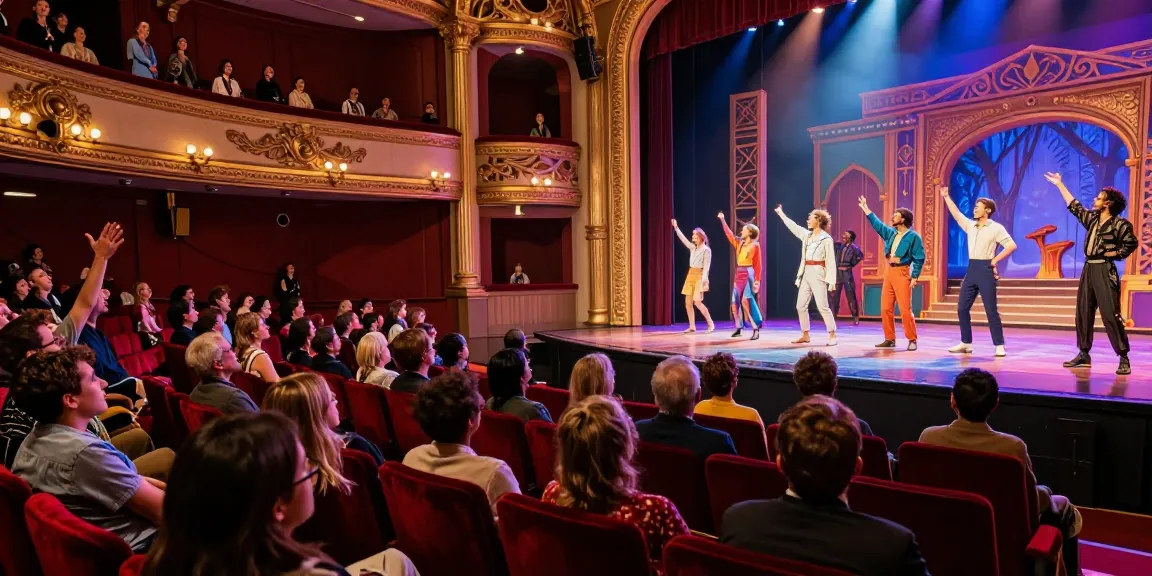
The Importance of Community Engagement in Modern Theatre
As theatre evolves, the relationship between performers and audiences is more critical than ever. In the web of modern entertainment, community engagement is not just a buzzword; it’s a necessary component for both sustaining theatre culture and elevating the quality of performances. The rise of social media and digital platforms provides new avenues for audiences to interact with creators, share their feedback, and cultivate a loyal following. Exploring the nuances of community engagement can reveal how modern theatres can thrive by tapping into the expectations of their audience.
When exploring options, https://www.nordicatheatre.com provides comprehensive insights into the latest trends in audience engagement, ensuring that theatres stay connected to their communities.
Understanding Audience Expectations
Modern audiences bring a wealth of experience and expectations to the theatre. They engage with performances not merely as passive observers but as active participants who expect to see their reflections and realities represented on stage. For playwrights and directors, understanding these evolving preferences is essential. This can involve researching demographic shifts, cultural movements, and technological integration, as well as gathering direct feedback from audiences. Theatres can find this feedback invaluable, as it shapes programming and marketing strategies.
The Role of Feedback in Shaping Performances
Feedback is a dynamic element in modern theatre creation. It goes beyond the conventional post-show surveys; instead, it includes real-time interaction through social media platforms and forums. The immediacy of feedback allows companies to adjust performances and hone aspects like pacing, dialogue, and even staging. Engaging audiences in dialogue is not only beneficial; it fosters a sense of ownership among community members, who feel that their voices contribute to the theatrical experience.
Building a Loyal Follower Base
Establishing a loyal follower base goes hand in hand with meaningful community engagement. This requires theatres to create authentic relationships with their audiences by providing consistent, high-quality content and experiences. Regular updates, behind-the-scenes access, and interactive events can help foster this loyalty. The goal is to create a community around the theatre that feels valued and invested, leading to repeat attendance and word-of-mouth advocacy.
Trends in Digital Entertainment and Theatre
Digital entertainment is reshaping the landscape of theatre. From streaming performances to incorporating virtual reality into live events, the integration of digital technology is not merely a trend but a transformative shift. Theatres can no longer rely solely on traditional methods; they must adapt to the digital era to connect with wider audiences.
Emerging Technologies in Stage Production
Emerging technologies are revolutionizing stage production, allowing for innovative storytelling techniques. For example, augmented reality (AR) can transport audiences into vivid, interactive environments, enhancing their overall experience. Furthermore, advancements in projection technology and sound design enable theatres to create multi-sensory performances that push creative boundaries. These technologies invite audiences to engage with the art in innovative ways that were previously unimaginable.
Integration of Online Platforms for Performances
The COVID-19 pandemic accelerated the adoption of online platforms for theatre performances. While live shows will always hold a special appeal, the ability to stream performances online has expanded access to those who may not be able to attend in person. This integration serves not only to maintain audience engagement during challenging times but also opens up new revenue streams through ticket sales, subscriptions, and donations.
Audience Participation Through Interactive Streaming
Interactive streaming services allow audiences to engage in performances like never before. With platforms that enable real-time polls and decision-making, audiences can influence the direction of a show. This level of participation enhances the excitement of the performance while ensuring that viewers feel like an integral part of the experience. It’s a new frontier for engagement that brings theatre closer to the digital experience of gaming and interactive media.
The Future of Cultural Showcases
As cultural landscapes shift, the future of theatre hinges on its ability to adapt and collaborate. Embracing diversity and hybrid art forms can enrich the theatre space, creating more engaging and relevant experiences for audiences.
Innovative Collaborations with Other Art Forms
Collaboration between theatre and other art forms, such as visual arts, music, and dance, is becoming increasingly common. This cross-pollination allows for richer storytelling and broader audience appeal. Productions that incorporate diverse artistic expressions create a tapestry of cultural narratives that engage multiple senses and invite reflection on various social issues. Such collaborations can help breathe new life into traditional formats and attract new demographics.
Adapting to Changing Cultural Landscapes
Adaptability is crucial for theatre companies aiming to remain relevant. Cultural landscapes are continuously evolving, influenced by global events, technological advancements, and shifts in social attitudes. Theatres must remain nimble, willing to pivot their themes and styles to reflect contemporary concerns. Productions that resonate with current crises or social justice movements will draw in audiences invested in these topics, fostering a deeper connection between the performance and its viewers.
Forecasting Audience Preferences for 2026
As we look toward 2026, understanding audience preferences will be paramount for successful theatre programming. Utilizing data analytics and audience feedback can help theatres predict trends and adapt their offerings accordingly. Themes surrounding inclusivity, sustainability, and mental health are likely to continue gaining traction, reflecting greater societal conversations. The challenge is to create narratives that are both thought-provoking and entertaining, ensuring engagement across diverse audience segments.
Best Practices for Modern Playwriting
Effective playwriting in the modern context requires an understanding of audience preferences, cultural relevance, and accessible narratives. Writers who embrace best practices in their craft can create powerful works that resonate deeply with today’s viewers.
Crafting Inclusive and Diverse Narratives
In an increasingly interconnected world, playwriting must reflect diversity in its narratives. Writers should strive to include perspectives from various backgrounds, experiences, and cultures. Crafting inclusive stories not only enriches the narrative but also allows audiences from different walks of life to see themselves represented on stage. This authenticity is crucial in bridging gaps and fostering empathy among audiences.
Utilizing Social Media for Storytelling
Social media has transformed the way stories are told and shared. Playwrights can use these platforms to engage with their audiences before and after productions, providing glimpses into their creative processes, character backgrounds, and thematic explorations. By integrating social media into their storytelling, playwrights can create a community around their work that enhances viewer investment.
Engaging Young Audiences through Relevant Themes
To capture the attention of younger audiences, playwrights must address themes that resonate with their experiences. Issues like climate change, identity, and mental health are prevalent in the minds of today’s youth. By creating narratives that explore these concepts, playwrights can attract a younger demographic, ensuring that theatre remains relevant in the cultural conversation.
Measuring Success in the Entertainment Sector
Success in the entertainment sector, particularly in theatre, goes beyond ticket sales. It encompasses audience engagement, critical reception, and community impact. Evaluating these metrics holistically can provide a clearer picture of a production’s success.
Key Metrics for Theatre Performance Evaluation
When assessing performance success, theatres should consider various metrics beyond mere attendance figures. Audience demographics, engagement rates on social media, and feedback can offer insightful indicators of a production’s impact. By analyzing these elements, theatres can tailor their future productions to meet audience expectations more effectively.
Leveraging Reviews and Audience Ratings
Reviews from critics and audience ratings are invaluable for theatres seeking to improve their productions. Positive reviews can serve as marketing tools, while constructive criticism provides insight into areas for improvement. Encouraging audiences to leave reviews fosters a culture of accountability and growth, enhancing the overall quality of theatre performances.
Defining Success Beyond Ticket Sales
Defining success in theatre requires a multifaceted approach. While ticket sales are an integral component, theatres must also consider their contribution to community dialogue, cultural enrichment, and audience satisfaction. Success should be measured by how well a production resonates with its audience, fosters connections, and promotes a deeper understanding of societal issues.
What are current trends in theatre technology?
Current trends in theatre technology include the integration of AR and VR, improving accessibility through captioning and audio description, and incorporating interactive elements into performances to engage audiences. These advancements are setting new standards in how theatre is created and experienced.
How can online platforms enhance theatre accessibility?
Online platforms enhance theatre accessibility by offering live streams, recordings, and flexible viewing options for those unable to attend in person. This expansion not only caters to a broader audience but also ensures that theatre remains inclusive, reaching individuals with varying mobility and scheduling challenges.
What are the challenges facing modern playwrights today?
Modern playwrights face several challenges, including navigating cultural sensitivities, securing funding for diverse projects, and competing for attention amid a saturated entertainment landscape. Adapting to these challenges while staying true to their creative vision requires resilience and innovation.
How to create engaging narratives for diverse audiences?
To craft engaging narratives for diverse audiences, playwrights should focus on inclusivity, authenticity, and relatability. Researching audience perspectives, integrating various cultural expressions, and prioritizing character development can create rich, engaging stories that resonate across demographics.
What metrics are essential for evaluating theatre success?
Essential metrics for evaluating theatre success include audience turnout, demographic engagement, critical reviews, social media engagement, and community impact. These measures provide a holistic understanding of a production’s effectiveness and resonance in the community.