
Understanding Lyophilisation Peptides and Their Importance
Lyophilisation, or freeze-drying, is a critical process in the pharmaceutical and biotechnological fields, particularly in the storage of peptides. Lyophilisation peptides are notably more stable than their reconstituted counterparts, allowing researchers to preserve the integrity and efficacy of these complex molecules for extended periods. Proper storage protocols are essential for maintaining peptide stability, purity, and reliability throughout research timelines. This comprehensive guide will delve into the importance of effective storage, identify key challenges, and outline best practices to ensure optimal peptide performance.
For those exploring options to enhance their understanding, lyophilisation peptides offer extensive insights into handling and storage techniques, ensuring that you remain informed of the latest practices in the field.
What are Lyophilisation Peptides?
Lyophilisation peptides are peptides that have been freeze-dried to remove moisture, allowing for long-term storage without the risk of degradation. This process retains the peptide’s structure and function, making it ideal for various applications, including drug development and academic research. The freeze-drying process can significantly enhance the shelf life of peptides, as it minimizes the degradation caused by environmental factors such as light, heat, and moisture.
Why Proper Storage Matters for Peptide Integrity
Proper storage of lyophilisation peptides is fundamental for preserving their integrity. Peptides are sensitive biomolecules that can easily degrade when exposed to unfavorable conditions. Factors such as temperature fluctuations, humidity, oxygen exposure, and UV light can lead to oxidation, hydrolysis, and overall loss of peptide activity. As such, understanding the nuances of peptide storage is crucial for researchers looking to maintain the reliability of their experimental outcomes.
Common Challenges in Peptide Storage
Researchers often face several challenges when it comes to peptide storage. These include:
- Degradation from moisture and light exposure
- Temperature fluctuations that can initiate degradation reactions
- Contamination risks during handling and storage
- Inadequate storage containers that do not shield peptides effectively
Addressing these challenges through well-defined storage protocols can significantly enhance the stability and longevity of lyophilisation peptides.
7 Essential Temperature Protocols for Storage
To ensure the longevity and reliability of lyophilisation peptides, adhere to the following temperature protocols:
Standard Protocol: Storing Peptides at -20 °C
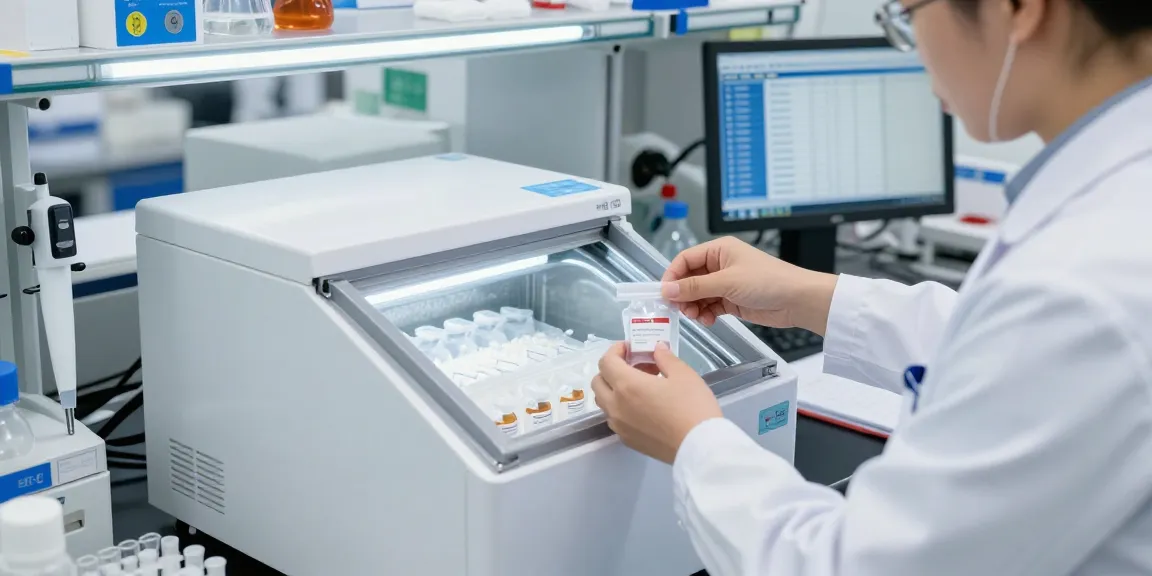
The standard long-term storage temperature for lyophilisation peptides is -20 °C. At this temperature, peptide vials can remain stable for extended periods, which is essential for research projects with long timelines. Thermo Fisher recommends that researchers store custom lyophilised peptides at this temperature immediately upon receipt to maximize stability and shelf life.
When to Use -80 °C for Sensitive Peptides
For particularly sensitive peptide sequences, such as those containing methionine or cysteine, it is advisable to store them at -80 °C. This ultra-low temperature storage provides additional protection against degradation and oxidation, extending the peptide’s useful life. Utilizing -80 °C is especially beneficial for rare or high-value peptides that require long-term preservation.
Moisture Protection Techniques for Peptide Vials
Moisture is one of the most significant threats to lyophilisation peptides. Even in a lyophilised state, peptides can absorb moisture from the air once exposed. To mitigate this risk, always allow frozen vials to reach room temperature before opening, which helps prevent condensation. Furthermore, store peptide vials in desiccators or use silica gel desiccants to absorb any moisture in the environment. Seal vials promptly after use to maintain a moisture-free environment.
Best Practices for Handling Lyophilised Peptides
To ensure the integrity of lyophilised peptides, follow these best practices during handling:
Sealing Vials and Preventing Contamination
Keeping lyophilisation peptide vials sealed until ready for use is critical. Once a vial is opened, reseal it immediately to minimize exposure to air and potential contaminants. If repeated access is necessary, consider aliquoting the peptide into smaller vials. This practice reduces the frequency of opening the same vial, thereby decreasing the risk of contamination and degradation.
Protecting Peptides from Light Exposure
Light exposure can lead to substantial degradation of light-sensitive peptides. To protect these compounds, store peptide vials in opaque containers or amber glass vials that shield them from light. Additionally, avoid using direct sunlight or strong laboratory lighting when handling these peptides, as light can accelerate degradation reactions.
Store and Handle Reconstituted Peptides Safely
Once reconstituted, peptides are generally less stable than lyophilised powders and require careful handling. Store reconstituted peptides at +2 to +8 °C in a refrigerator, ideally for a limited time ranging from 14 to 28 days, depending on the peptide sequence and solvent used. To maximize their shelf life, aliquot reconstituted peptides into single-use volumes, which can then be frozen for more extended use beyond the typical refrigerated window.
Avoiding Common Mistakes in Peptide Storage
Researchers must be aware of common pitfalls when storing lyophilisation peptides to prevent compromising their integrity:
Understanding Freeze-Thaw Cycles and Their Effects
Repeated freeze-thaw cycles can adversely affect peptide stability, as each cycle subjects the peptide to temperature stress. This can increase degradation risk. To avoid this, aliquot peptides before freezing, allowing for easy access without repeatedly thawing the entire vial.
The Importance of Using Proper Solvents
When reconstituting peptides, selecting the right solvent is crucial. Bacteriostatic water, which contains benzyl alcohol, is often recommended as it helps inhibit microbial growth, making it suitable for refrigerated storage. In contrast, sterile water without preservatives is better suited for single-use protocols and requires stricter contamination control procedures.
Identifying Missteps in Peptide Handling Protocols
Be mindful of potential missteps in peptide handling, such as using unsterilized tools or failing to maintain proper environmental conditions during storage. Establishing clear protocols and adhering to them can significantly reduce the risk of peptide degradation.
Future Trends in Peptide Storage and Research
The field of peptide storage and research is evolving rapidly, influenced by technological advancements and the increasing demand for high-quality peptides in various applications.
Technological Advances in Storage Solutions
Emerging technologies in refrigeration and vacuum packaging are paving the way for new storage solutions that better preserve peptide integrity. Innovations in desiccation techniques and smart storage devices that monitor temperature and humidity can offer researchers enhanced reliability in peptide storage.
Emerging Best Practices in Laboratory Protocols
As the understanding of peptide stability continues to grow, new best practices are emerging. Researchers are increasingly prioritizing the development of robust storage protocols that integrate data-driven insights and advanced monitoring systems to optimize peptide handling and preservation.
Predictions for Peptide Research in 2026 and Beyond
Looking ahead, peptide research is expected to expand significantly, with a focus on personalized medicine and novel therapeutic applications. Enhanced understanding of peptide stability will drive innovations in formulation and delivery methods, ensuring that researchers can effectively utilize these valuable biomolecules.
What Are the Top Questions About Peptide Storage?
As researchers navigate the complexities of peptide storage, several questions often arise:
How Can I Maximize the Shelf Life of Peptides?
To maximize peptide shelf life, adhere to proper storage protocols, maintain moisture protection, and avoid repeated freeze-thaw cycles. Utilize appropriate solvents for reconstitution and store peptides under ideal temperature conditions.
What Are the Ideal Conditions for Storing Reconstituted Peptides?
The ideal conditions for storing reconstituted peptides involve refrigeration at +2 to +8 °C, with a shelf life typically ranging from 14 to 28 days, depending on specific peptide traits. Proper aliquoting techniques can help extend usability.
Is Bacteriostatic Water Necessary for All Peptides?
Bacteriostatic water is not necessary for all peptides but is highly recommended for those requiring longer refrigerated storage periods to limit microbial growth. For single-use applications, sterile water is sufficient but requires more stringent handling controls.
What Should I Do if a Peptide Shows Signs of Degradation?
If a peptide exhibits signs of degradation, such as discoloration, precipitation, or odor changes, it’s advisable to discard it immediately. Establishing strict storage and handling protocols can help minimize the risk of degradation and ensure the reliability of your peptides.