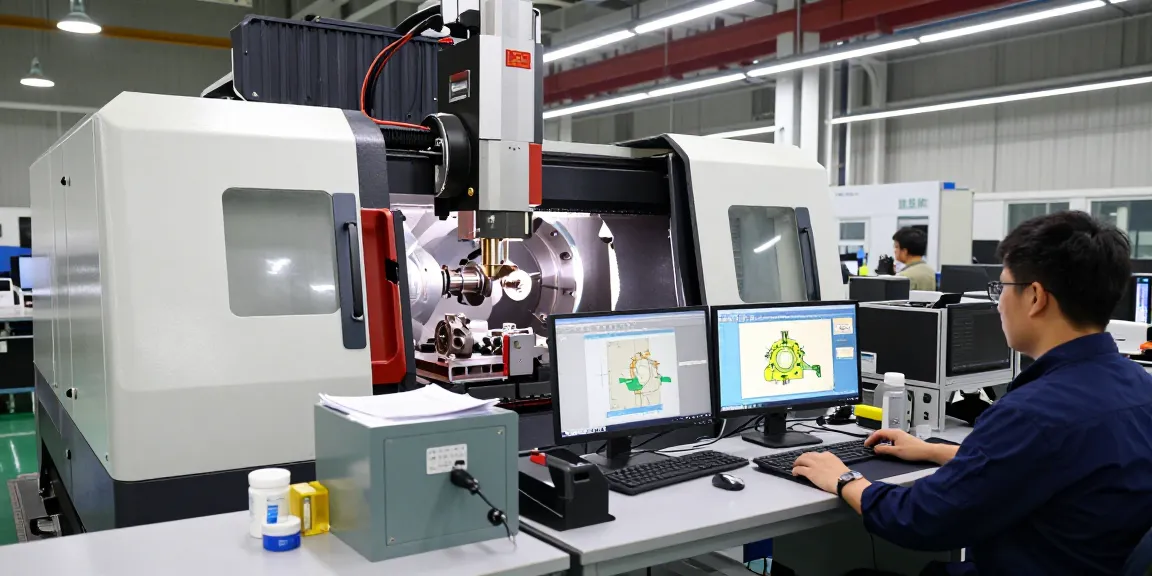
The Role of Leading Aerospace CNC Parts Manufacturers in 2026
As the aerospace industry continues to evolve rapidly, the role of leading aerospace cnc parts manufacturers becomes increasingly critical. These manufacturers are not just facilitators; they are the backbone of a sector that demands precision, reliability, and compliance with stringent regulations. In 2026, the landscape of aerospace CNC machining is characterized by a blend of advanced technologies and traditional manufacturing practices, all aimed at meeting the high standards set by regulatory authorities and the demands of aircraft manufacturers.
Understanding the Aerospace CNC Machining Landscape
CNC machining in aerospace is a specialized process that deals with the creation of components used in aircraft, spacecraft, and other aviation-related applications. This industry segment requires high precision and reliability, as the parts manufactured can directly affect flight safety. The current market is witnessing a substantial transformation due to innovations in materials and machining techniques, along with increased demand driven by the revival of air travel post-pandemic. As companies adapt to these market changes, understanding the landscape of CNC machining becomes paramount.
The aerospace sector features a complex ecosystem where CNC machining serves various functions—from prototyping to full-scale production runs. Companies like Boeing and Lockheed Martin exemplify how integrated manufacturing systems can streamline production, reduce costs, and maintain quality. These market leaders often employ a combination of traditional machining techniques and cutting-edge technologies such as additive manufacturing and automation, which ensures that they remain competitive and efficient.
Key Players in the Aerospace Industry
Leading aerospace CNC parts manufacturers play a vital role in the supply chain, contributing to the development and delivery of critical components. Major players dominate the market, including:
- Boeing: A global leader in the manufacture of commercial jetliners, Boeing utilizes CNC machining extensively across its manufacturing processes.
- Lockheed Martin: Known for its advanced aerospace systems, Lockheed Martin relies on precision CNC parts for defense and commercial applications.
- Spirit AeroSystems: Specializes in aerostructures and utilizes CNC machining to produce highly engineered components.
- Precision Advanced Manufacturing: Recognized for its AS9100-level quality systems and ITAR-compliant practices, ensuring the highest standards in manufacturing.
These companies not only lead in terms of production capacity but also set benchmarks for quality and compliance in the aerospace industry. By adhering to regulatory standards such as ISO 9001 and AS9100, they ensure that their processes are robust and reliable enough for the critical nature of aerospace applications.
Emerging Technologies Impacting CNC Manufacturing
The integration of emerging technologies is transforming how aerospace CNC machining is approached. Industry 4.0, characterized by automation and data exchange, plays a significant role in enhancing productivity and precision in manufacturing.
Technologies such as cloud computing, IoT, and AI are redefining production processes, from predictive maintenance of CNC machines to advanced quality management systems. For example, the use of AI in process optimization allows manufacturers to analyze large datasets and improve their production efficiency significantly.
Challenges Faced by Aerospace CNC Parts Manufacturers
Supply Chain Disruptions and Solutions
The aerospace industry is not immune to supply chain disruptions, as witnessed during the COVID-19 pandemic. Manufacturers often face challenges such as material shortages, logistical delays, and fluctuations in demand. These disruptions can severely impact production schedules and costs.
To mitigate these risks, leading manufacturers are adopting strategies like diversifying their supply base and investing in local production capabilities. By fostering relationships with multiple suppliers, aerospace companies can ensure a steady flow of materials and components, thereby reducing reliance on any single source.
Quality Assurance and Compliance Challenges
Quality assurance in aerospace CNC machining is paramount, given the potential safety implications of any defect. Manufacturers are continually challenged to maintain compliance with industry standards such as FAA regulations and ISO certifications.
Implementing robust quality management systems and continuous training are essential for ensuring compliance. Innovations such as real-time monitoring systems and automated quality assurance processes can significantly enhance manufacturers' ability to meet requisite standards consistently.
Meeting Increasing Demand for Precision Parts
The growing demand for high-performance aircraft and components necessitates an increase in the production of precision parts. Leading aerospace CNC parts manufacturers must invest in advanced technologies that enable high-speed machining and complex part geometries. Techniques such as multi-axis machining and high-speed machining are becoming standard to meet these demands.
Furthermore, the adoption of additive manufacturing is also gaining traction as a viable solution to produce complex parts swiftly and cost-effectively. This technology not only reduces waste but also opens new design possibilities that were previously unattainable.
Best Practices for Working with Leading Aerospace CNC Parts Manufacturers
Choosing the Right Manufacturing Partner
Selecting the right aerospace CNC manufacturer is crucial for maintaining quality and efficiency. Companies should assess potential partners based on their certifications, experience, and technological capabilities.
- Certifications: Ensure that the manufacturer holds relevant certifications like AS9100 and ITAR compliance.
- Experience: Look for a proven track record in aerospace manufacturing and familiarity with specific aerospace components.
- Technological Capabilities: Evaluate their investment in modern CNC technologies and automation, as these directly impact precision and efficiency.
Streamlining Production Processes
To enhance competitiveness, leading aerospace CNC manufacturers must streamline their production processes. Implementing lean manufacturing principles can reduce waste and improve workflow. Techniques like just-in-time (JIT) manufacturing can also reduce inventory costs and lead times.
Regular assessments of production lines and employee training programs help maintain high efficiency and adaptability to changing demands. Moreover, investing in state-of-the-art software tools for project management and scheduling can further streamline operations.
Ensuring Regulatory Compliance and Standards
Aerospace manufacturers must remain vigilant about regulatory compliance, as the consequences of non-compliance can be severe. Establishing robust internal auditing processes can help ensure adherence to established regulations and standards. Additionally, conducting regular training sessions for employees on compliance issues is vital for maintaining a compliant culture.
Future Trends in Aerospace CNC Machining
Automation and Robotics in Manufacturing
The future of aerospace CNC machining is poised for further automation, with robotics playing a crucial role in enhancing production capabilities. Automated systems can perform repetitive tasks with extreme precision, reducing human error and increasing output.
As technology advances, manufacturers will increasingly adopt collaborative robots (cobots) that can work alongside human operators, enhancing productivity without compromising safety.
Integration of Artificial Intelligence
Artificial intelligence is set to revolutionize the aerospace CNC machining sector. AI can be utilized for predictive analytics, helping manufacturers forecast demand, manage inventory, and optimize machine utilization.
Moreover, AI-driven quality control systems that analyze and interpret data in real-time can ensure consistent product quality and facilitate swift corrective actions when anomalies are detected.
Sustainability Practices in Aerospace Manufacturing
As environmental concerns become more pressing, sustainability practices are gaining importance in aerospace manufacturing. Leading companies are investing in eco-friendly materials and processes that reduce carbon footprints.
Transitioning to sustainable practices often includes utilizing recycled materials in manufacturing and implementing energy-efficient production methods. This commitment not only enhances brand reputation but also aligns with global sustainability goals.
Real-world Success Stories from Leading Aerospace CNC Parts Manufacturers
Case Study: Innovations from Top Industry Leaders
Leading aerospace manufacturers are driving innovation through various success stories. One notable example is how Boeing incorporated additive manufacturing into their production of complex components. This innovation led to significant reductions in production time and waste, showcasing the potential of modern manufacturing techniques.
Lessons Learned from Manufacturing Challenges
The challenges faced during the pandemic prompted many manufacturers to adapt quickly. Companies learned to diversify their supply chains and enhance their digital interfaces for better communication and project management. These lessons will undoubtedly shape future strategies and operational frameworks.
Future Projections Based on Current Trends
Based on current trends, the future of aerospace CNC machining is likely to focus on greater integration of automation and AI. As technologies evolve, manufacturers that adapt quickly and embrace these changes will lead the industry, while those resisting change may struggle to remain relevant.
What are the leading aerospace CNC parts manufacturers?
The leading aerospace CNC parts manufacturers include major players like Boeing, Lockheed Martin, Spirit AeroSystems, and Precision Advanced Manufacturing, each setting benchmarks in quality and compliance in CNC machining.
How can companies choose the best aerospace CNC parts manufacturer?
To choose the best aerospace CNC parts manufacturer, companies should consider factors such as certifications, technological capabilities, experience in aerospace applications, and compliance with industry standards.
What trends will shape the future of aerospace CNC machining?
Trends such as increased automation, integration of AI technologies, and sustainability practices will significantly shape the future of aerospace CNC machining, driving efficiency and innovation.
What are the common challenges in aerospace CNC machining?
Common challenges include supply chain disruptions, ensuring quality and compliance, and meeting the increasing demand for precision parts, which require robust strategies and adaptations.
How can quality be assured in aerospace CNC manufacturing?
Quality in aerospace CNC manufacturing can be assured through stringent quality management systems, regular audits, employee training, and the use of advanced quality control technologies.