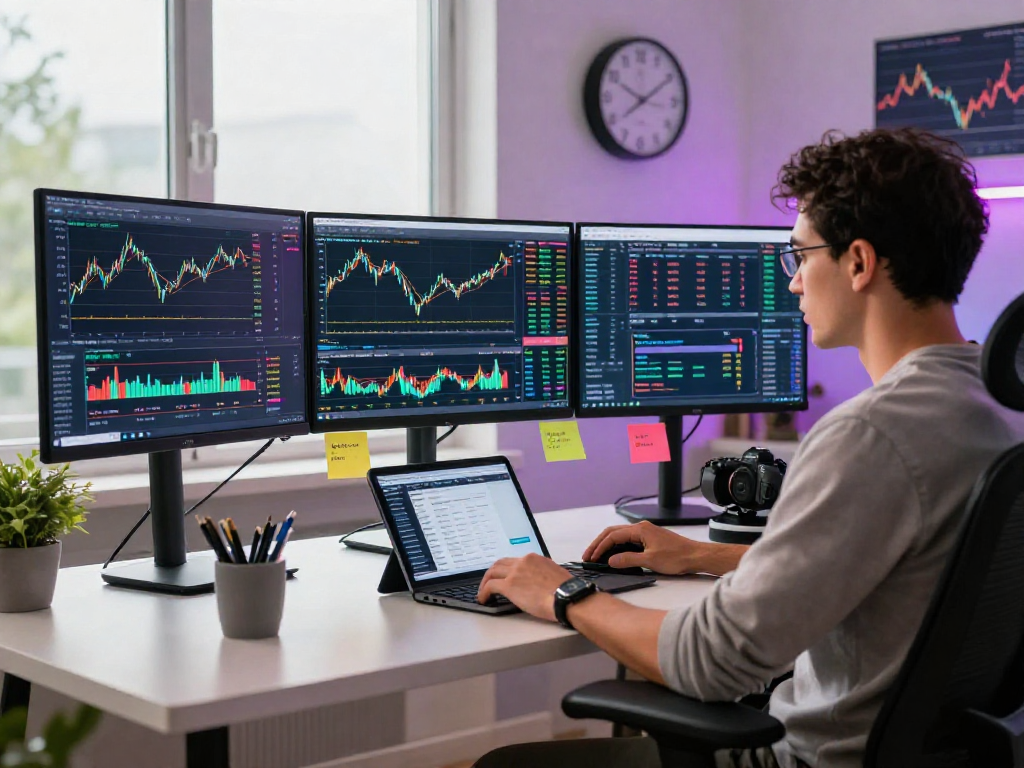
Understanding the TradingView Platform
In the fast-paced world of trading, having access to reliable data and intuitive tools can significantly enhance your decision-making capabilities. TradingView stands out as a comprehensive platform catering to traders of all levels, offering a rich suite of features that facilitate market analysis, real-time tracking of multiple assets, and collaborative trading strategies. This platform empowers users to visualize complex data through advanced charting tools and indicators, ensuring that they remain competitive in today’s dynamic financial markets. When exploring options, TradingView provides comprehensive insights into market trends, allowing for informed trading decisions.
What is TradingView and Who is it For?
TradingView is a cloud-based platform designed for traders, investors, and financial analysts who seek real-time market data and sophisticated charting tools. Its intuitive interface allows users to customize their trading environment according to their unique styles and preferences. Whether you're a novice placing your first trade or a seasoned professional executing high-frequency trades, TradingView caters to all levels of expertise. The platform hosts a vibrant community where users can share ideas, strategies, and insights, fostering a collaborative trading atmosphere.
Key Features and Functionalities of TradingView
TradingView boasts a myriad of features that make it a go-to choice for traders worldwide. Among the most impactful are:
- Advanced Charting Tools: Offering various chart types, users can conduct in-depth technical analysis seamlessly.
- Customizable Indicators: Traders can apply a range of technical indicators and drawing tools to enhance their analysis.
- Market Scanners: The platform enables users to filter assets based on specific criteria, ensuring they can identify potential opportunities quickly.
- Alerts and Notifications: Users can set alerts for price movements and technical conditions, allowing them to respond swiftly to market changes.
The Interface: Navigating TradingView Effectively
The user interface of TradingView is designed to be user-friendly while providing all the necessary tools for comprehensive market analysis. The layout is customizable, allowing users to choose how they want to view charts and data. With features like drag-and-drop indicators and adjustable timeframes, navigating the platform is intuitive. Additionally, the platform supports multi-chart layouts, enabling traders to monitor various assets simultaneously, which is particularly beneficial for those trading in multiple markets.
Chart Analysis Capabilities
Multi-Timeframe Analysis: How to Use It
One of the standout features of TradingView is its multi-timeframe analysis capability. This allows traders to analyze the same asset across different timeframes, providing insight into both short-term and long-term trends. To effectively utilize this feature, traders can set up charts for various timeframes—such as 1-minute, 5-minute, hourly, and daily—allowing them to spot potential entry and exit points based on comprehensive trend analysis.
Adding Indicators and Drawing Tools on Charts
TradingView provides a broad array of indicators and drawing tools that enhance technical analysis. Users can apply popular indicators such as Moving Averages, RSI, and MACD directly onto their charts. Furthermore, the platform supports custom scripts, enabling advanced users to write their own indicators and strategies using Pine Script, TradingView's proprietary programming language. This flexibility allows traders to create personalized analysis frameworks tailored to their trading strategies.
Best Practices for Effective Chart Analysis
For traders looking to optimize their chart analysis on TradingView, here are some best practices:
- Use Multiple Indicators: Combine different indicators to confirm trends and signals.
- Regularly Update Your Charts: Make sure your chart settings are updated according to your trading strategy and market conditions.
- Keep It Simple: Avoid overcrowding charts with too many indicators or drawings to maintain clarity.
- Analyze with Context: Always consider market news and events that might affect price movements when analyzing charts.
Setting Up Alerts and Notifications
How to Create Price Alerts in TradingView
Setting up price alerts in TradingView is a straightforward process that can greatly enhance your trading efficiency. Users can specify conditions for alerts, such as price thresholds or technical indicators being met. These alerts can be delivered via email or push notifications on the mobile app, ensuring that you remain informed of critical market movements without constant monitoring.
Understanding Technical Alerts and Conditions
In addition to price alerts, TradingView allows for the creation of technical alerts based on specific conditions such as crossover points between indicators. This functionality is invaluable for traders who rely on technical analysis to guide their trading decisions. By setting these alerts, users can focus more on strategy and decision-making rather than continuously watching the charts.
Maximizing Alerts for Efficient Trading
To make the most of the alert feature, traders should explore the following strategies:
- Prioritize Critical Levels: Set alerts at key resistance and support levels to capture significant market moves.
- Use Multiple Alerts: Schedule alerts for different assets to diversify your trading opportunities.
- Review Alert History: Regularly analyze the outcomes of your alerts to refine your trading strategy.
Multi-Device Usage: Seamless Trading Experience
Accessing TradingView on Desktop and Mobile
TradingView's cross-platform availability is one of its significant advantages. Users can access the platform through any web browser, as well as dedicated desktop applications for Windows, macOS, and Linux. Additionally, TradingView offers mobile applications for iOS and Android, allowing traders to monitor the markets and execute trades flexibly, whether at home or on the go.
Syncing Settings Across Devices
TradingView enables users to sync their settings and customizations across devices, ensuring a seamless trading experience. This means that changes made on a desktop app are reflected on the mobile version and vice versa, which is especially helpful for traders who switch between devices throughout the day.
Limitations and Advantages of Cross-Platform Trading
While TradingView's cross-platform capabilities provide flexibility, users should be aware of potential limitations. For instance, some advanced features available on the desktop version may not be fully functional on mobile devices. However, the overall advantages, such as accessibility and synchronized settings, often outweigh these limitations for many traders.
Frequently Asked Questions about TradingView
What accounts are available on TradingView?
TradingView offers several account types, including a free plan and multiple tiers of paid subscriptions. Each account type unlocks different features, with premium plans providing access to advanced tools and more extensive market data. Users should carefully review the options to choose the plan that best suits their trading needs.
Is TradingView suitable for beginners?
Absolutely! TradingView is designed to be user-friendly, making it a suitable choice for beginners. The platform provides an array of tutorials and community resources to help new users get acquainted with its features. With practice and exploration, beginners can quickly learn to leverage the platform's capabilities in their trading endeavors.
How does TradingView compare to other trading platforms?
When compared to other trading platforms, TradingView is often praised for its superior charting tools and community features. While some platforms may offer different trade execution capabilities or account management features, TradingView's strong emphasis on market analysis makes it a preferred choice for traders who prioritize comprehensive analysis over direct trading functionalities.
Are TradingView alerts reliable for trading decisions?
TradingView alerts are generally considered reliable, provided that users set them based on well-researched criteria. Alerts can significantly enhance a trader's ability to respond to market movements promptly, reducing the risk of missing critical trading opportunities. However, traders should always conduct additional analysis before making final trading decisions based on alerts.
What are the costs involved in using TradingView?
TradingView operates on a freemium model, where the basic features are available for free, but more advanced functionalities and data are only accessible through paid subscriptions. The pricing varies based on the features provided, so users should consider their individual needs and trading strategies to determine the most cost-effective plan for them.